

4–6 Week Hangers: Commuter Car Scents for Morning and Evening
For daily commuting, the scent profiles that work best are energizing citrus, calming lavender or herbal blends, clean ozonic notes, and warm woods or amber. Voidescent’s three slow-release hangers map directly onto those categories: Heavens for bright morning drives, Descent for calming evening rides, and Nebula for longer, more complex commutes. Vent clips give a fast, strong hit; slow-release hangers offer a subtler scent that lasts for weeks.
TL;DR:
- Switching between bright citrus scents for mornings and woody or herbal blends for evenings optimizes mood without overwhelming shared cars or small cabins.
- Choosing slow-release hangers lasts four to six weeks, reducing the need for frequent replacements and offering a more cost-effective solution over disposable options.
- Controlling scent intensity by adjusting placement and rotation prevents nose-blindness and maintains a fresh cabin feel over time.
- Vent clip formats provide quick, strong bursts suitable for short-term refreshes but tend to fade faster than hangers, which are better for long-term, subtle scenting.
- Combining a base scent with occasional sprays helps manage odors from in-car activities like snacks or pets, ensuring a pleasant environment throughout the day.
Table of Contents
- What Makes a Good Commuter Car Scent
- 8 Commuter Scent Profiles Worth Trying
- Choose the Right Format for Your Commute
- How to Make a Car Scent Actually Last
- Why Slow-Release Botanical Hangers Suit Daily Drivers
- A Commuter’s Realistic Scent Routine
- Which Voidescent Scent Fits Your Commute
- Sources
- FAQ
What Makes a Good Commuter Car Scent
Your commute isn’t one drive, it’s two completely different moods wearing the same route. The 7:45 AM crawl to work needs something that wakes you up. The 6 PM slog home needs something that calms you down. That’s the first rule of picking commuter car scents: match the fragrance to the job it needs to do, not just to what smells nice in the bottle.
A few practical filters matter more than most people realize when narrowing down car fragrance options:
- Time of day: citrus and bright green notes suit mornings; lavender, herbal, or woody blends suit the drive home.
- Intensity control: if you carpool or share the car, pick a format you can dial down, not one that’s all or nothing.
- In-car activities: takeaway coffee, kids’ snacks, or a dog in the back seat all call for a scent that can layer over odors rather than just mask them.
- Cost over time: a $3 clip that fades in ten days often costs more per week than a $20 hanger that lasts six.
That last point gets overlooked constantly. Car and Driver’s comparison of budget and premium options found that pricier diffusers frequently work out cheaper per week than disposable options, because they last longer and let you control how much scent gets used at once. Judge any car freshener by cost-per-week, not by the number on the shelf tag.
8 Commuter Scent Profiles Worth Trying
Not every nose wants the same thing at 7 AM, and there’s no single best-smelling car scent for every commuter. Testing from Automoblog backs this up: cheaper options sometimes outlast expectations, while pricier diffusers win on scent variety and adjustable strength. Match the profile to your actual drive, not to a marketing claim.
1. Bright citrus for morning wake-up
Lemon, grapefruit, and bergamot cut through drowsiness better than almost anything else on this list. This is Voidescent’s Heavens territory, a citrus-forward, slightly ozonic scent built for the first leg of the day. Best suited to compact and mid-size cars where a small dose goes far.
2. Ozonic and clean-linen notes
These “just showered” scents work well for anyone sensitive to strong perfume-like fragrances. They read as neutral rather than sweet, which makes them the safest pick for shared or company vehicles. A light vent clip dose refreshed weekly does the job.
3. Lavender and herbal blends for the evening commute
Lavender, chamomile, and sage-adjacent notes are the go-to for winding down after a stressful shift. Pair this with the drive home, when your nervous system actually wants the signal to relax rather than accelerate.
4. Calming woods and amber
This is where Voidescent’s Descent sits: a herbal, woody blend designed for evening drives and longer, slower commutes. Cedar, vetiver, and soft amber notes read as grounding rather than sleepy, which matters if you’re still driving. Works especially well in larger cabins, SUVs and estate cars, where a subtler hanger format won’t get overpowered by cabin volume.
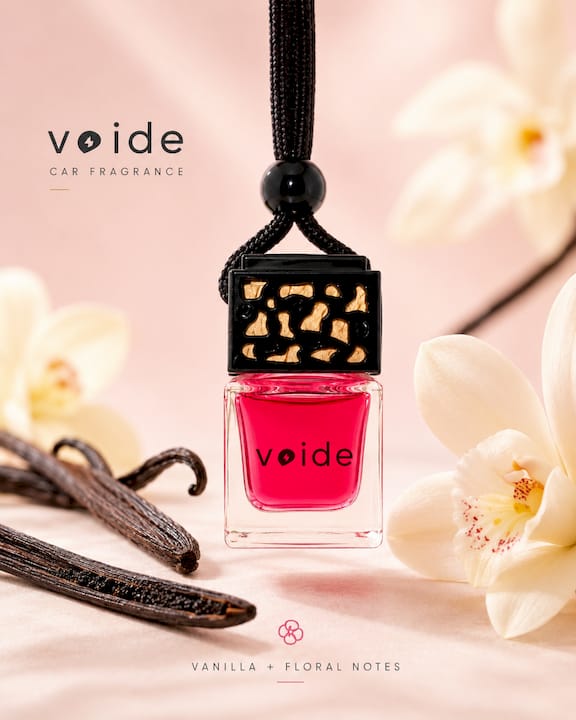
5. Signature complex blends for long rides
If your commute runs 45 minutes or longer, a single-note scent gets boring fast. A layered, evolving fragrance holds interest across a longer drive instead of flattening into background noise. Voidescent’s Nebula fits here: a more complex, slow-shifting scent built specifically for commuters who spend real time behind the wheel rather than a quick ten-minute hop.
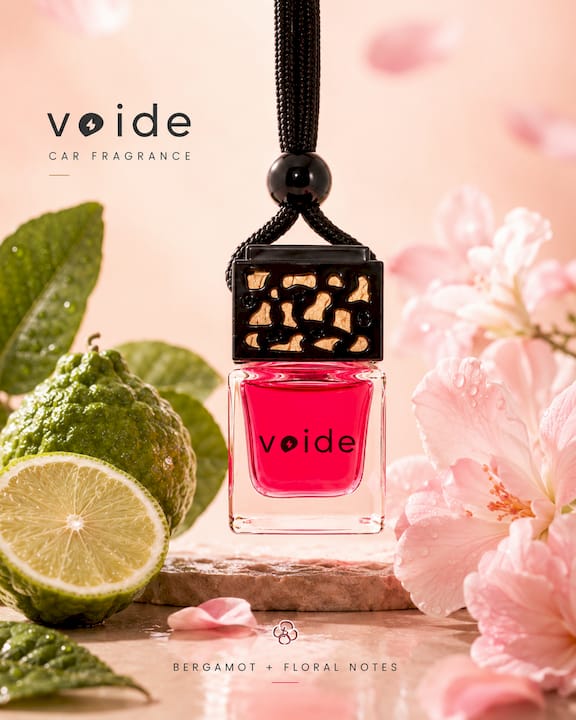
6. Coffee and warm café notes
Coffee-adjacent scents (think roasted, slightly sweet, faintly smoky) work surprisingly well for early risers who want their car to smell like the café they wish they had time to visit. If you’re hunting for gift ideas for a coffee-obsessed commuter, Purelight Coffee’s gift guide is worth a browse for scent-adjacent inspiration beyond the car itself.
7. Fresh pine and outdoor green
Good for commuters who drive through built-up areas and want a break from traffic fumes and city smells. Works best in a vent clip format since the scent is often lighter and needs airflow to carry.
8. Spiced and warm amber for cold-weather drives
Cinnamon, clove, and warm amber notes suit the darker months, when a bright citrus feels out of step with the mood. Voidescent covers this territory with its own spicy scent options built for a bolder, warmer winter drive.
Choose the Right Format for Your Commute
The scent profile matters, but the delivery format decides how long it actually lasts and how much control you get over it. BHG’s testing of car air fresheners breaks the market into four broad categories: hanging options, vent clips, gel or solid bars, and smart diffusers.
- Vent clips: fast, strong, and immediate. Great for a quick refresh but they fade within days and rely entirely on your fan being on.
- Slow-release hangers: subtle, steady output over weeks rather than days. Best where you want a “set it and forget it” scent that won’t overwhelm passengers.
- Sprays: useful for masking a one-off odor (spilled coffee, a wet dog) but not a long-term solution on their own.
- Smart diffusers: adjustable intensity and app control, like the Pura Car Pro, which delivers roughly 30 days per cartridge. Higher upfront cost, but often lower cost-per-week once you factor in refill life.
Pro Tip: If you share your car with someone who hates strong fragrance, skip the vent clip entirely and go with a hanger. You get scent, they get peace, nobody argues over the dial.
One rule that trips up more people than it should: never hang anything from the mirror that blocks your line of sight. BHG’s safety notes flag this specifically, and it’s worth taking seriously, especially on unfamiliar roads or at night.
How to Make a Car Scent Actually Last
A car scent dies fastest when it’s placed wrong, not because the fragrance itself is weak. Four fixes handle most of the problem.
- Place it near airflow. Vent-based formats work by dispersing scent when the HVAC runs, so placement near the intake matters more for even distribution than most people assume. Hangers, by contrast, do better in smaller cabins where they aren’t fighting a huge volume of air.
- Control intensity deliberately. Don’t just crank a diffuser to max because it’s there. Partial exposure, keeping a hanger sealed part of the day or a diffuser on a lower setting, stretches life significantly.
- Rotate scents through the week. Your nose adapts fast. Running the same fragrance daily leads to nose-blindness within days, where you stop smelling it entirely even though passengers still can. Swapping between two profiles resets your sense of smell and keeps the cabin feeling genuinely fresh rather than just familiar.
- Clean before you scent. Fabric seats, floor mats, and cup holders hold odor sources that no amount of fragrance will fully cover. A five-minute vacuum beats another spray every time.
For placement specifics by format, Voidescent’s guide on where to hang a car air freshener walks through cabin size considerations in more depth.
Why Slow-Release Botanical Hangers Suit Daily Drivers
Voidescent builds its hangers around a straightforward promise: botanical fragrance oils in a minimalist design that release scent gradually for four to six weeks rather than fading out in days. That claim matters most for commuters, who need a scent that survives daily use without constant reapplication.
- Botanical oils avoid the harsh synthetic edge common in disposable fresheners, which matters for anyone sensitive to strong chemical smells.
- A slow, controlled release means less risk of overwhelming shared or smaller cabins.
- Layering a subtle base scent with a short spray after a messy takeaway run keeps the base fragrance intact while handling the immediate odor.
- Every hanger is backed by a satisfaction guarantee, reflecting confidence in the product’s performance over time.
A Commuter’s Realistic Scent Routine
Two scents, rotated weekly, is genuinely all you need. Keep a bright citrus for mornings and something calmer for the drive home, then swap the pairing every week or two before your nose stops noticing either one. If someone else rides with you regularly, default to the milder option and check in before committing to anything bold. A car that smells like a candle shop is nobody’s favorite passenger seat.
— Azanone
Which Voidescent Scent Fits Your Commute
If mornings are the problem, Heavens is the pick: bright, citrus-forward, and built to cut through that half-awake fog on the drive in. If it’s the evening leg that needs help, Descent brings the herbal, woody calm that actually matches what your body wants after a long day. For longer commutes where a single note gets old fast, Nebula offers a more complex, evolving scent that holds interest over 40 minutes or more behind the wheel.
Each Voidescent hanger is built to run four to six weeks per unit, providing long-lasting fragrance that can be more cost-effective over time despite a higher initial price. If you’re not sure which profile suits your actual drive, start with a two-scent pairing, one for mornings, one for evenings, and see which one you reach for more. Head to the product pages to check current stock and pick your first hanger today.
Sources
- The 5 Best Car Air Fresheners, Tested by BHG
- Cheap vs. Expensive Car Air Freshener: Which One Should You Buy? — Car and Driver
FAQ
What is the best-smelling car scent for a commute?
There’s no single best scent, it depends on the drive. Bright citrus works best for morning alertness, while lavender or woody blends suit the calming drive home.
How do I make my car smell nice all the time?
Combine a slow-release base scent, like a botanical hanger rated for four to six weeks, with occasional short sprays for one-off odors, and clean fabric surfaces regularly since fragrance can’t fully mask underlying odor sources.
What can I put in my car to smell nice?
Slow-release hangers, vent clips, sprays, and smart diffusers all work, but hangers like Voidescent’s Heavens, Descent, and Nebula give the longest-lasting, most consistent scent without needing daily attention.
Which car freshener smells the best and lasts longest?
Longevity usually beats initial strength for commuters. A slow-release botanical hanger rated for weeks typically outperforms a vent clip that peaks fast and fades within days.