

How to Keep Car Smelling Fresh All Year Round
The fastest way to keep car smelling fresh is to remove the odor source, deep-clean the affected surfaces, neutralize what’s left behind, and lock in a short maintenance routine with a slow-release scent as backup. Skip any one of those steps and the smell usually comes back within a week.
Do this today:
- Pull out trash, food wrappers, and anything soiled.
- Vacuum the carpets and lift the mats to check underneath.
- Clean the vents and swap the cabin air filter if it’s overdue.
- Apply an odor neutralizer to whatever caused the smell in the first place.
- Add a long-lasting diffuser or hanger, like one of Voidescent’s slow-release options, to hold the freshness once the source is gone.
Pro Tip: Crack the windows for ten minutes with the heater or AC running before you clean anything. Trapped odor molecules cling to warm, still air, and a quick flush makes every step after this one work better.
Table of Contents
- How Do You Remove the Odor Source and Deep-Clean a Car?
- What Neutralizes Car Odors Without Just Masking Them?
- Which Type of Car Air Freshener Actually Works Best?
- How Do You Choose a Long-Lasting Car Scent?
- What Daily Habits Keep a Car Smelling Fresh Long-Term?
- When Should You Call in a Professional for Car Odor Removal?
- What Do Product Tests Reveal About Air Freshener Durability?
- What Actually Works for Long-Term Freshness?
- Why Most Car Odor Advice Gets the Order Wrong
- Get Long-Lasting Freshness Without the Guesswork
- FAQ: Keeping Your Car Smelling Fresh
- Sources
How Do You Remove the Odor Source and Deep-Clean a Car?
Masking a smell without removing its source is why so many air fresheners seem to “stop working” after a few days. They’re not failing. They’re competing with something still rotting under the seat.
Start with the obvious: pull every piece of trash, old coffee cup, and forgotten gym bag out of the cabin. Then work through this sequence:
- Remove the floor mats and check for spills or debris trapped underneath.
- Vacuum seats, carpets, and every crevice around seat rails and door pockets.
- Spot-treat visible stains with a cleaner matched to the material.
- Shampoo the carpet and upholstery if the stain or smell has soaked in.
- Clean the mats separately, vacuuming fabric ones and hosing off rubber ones outside the car.
Material matters here. Fabric upholstery tolerates a wet-vac and mild cleaner, but soak it too much and you’ll trade one odor problem for a musty one. Leather needs a dedicated leather cleaner, since household sprays strip its finish over time. Rubber and plastic mats are the easiest: hose them down, scrub with dish soap, and let them dry fully in the sun before putting them back.
Don’t skip the trunk. Forgotten grocery bags, damp gym gear, and pet blankets rot quietly back there while you focus on the seats up front. Restoring that “new car” feel often comes down to exactly this kind of stepwise interior cleaning, not a single magic product.
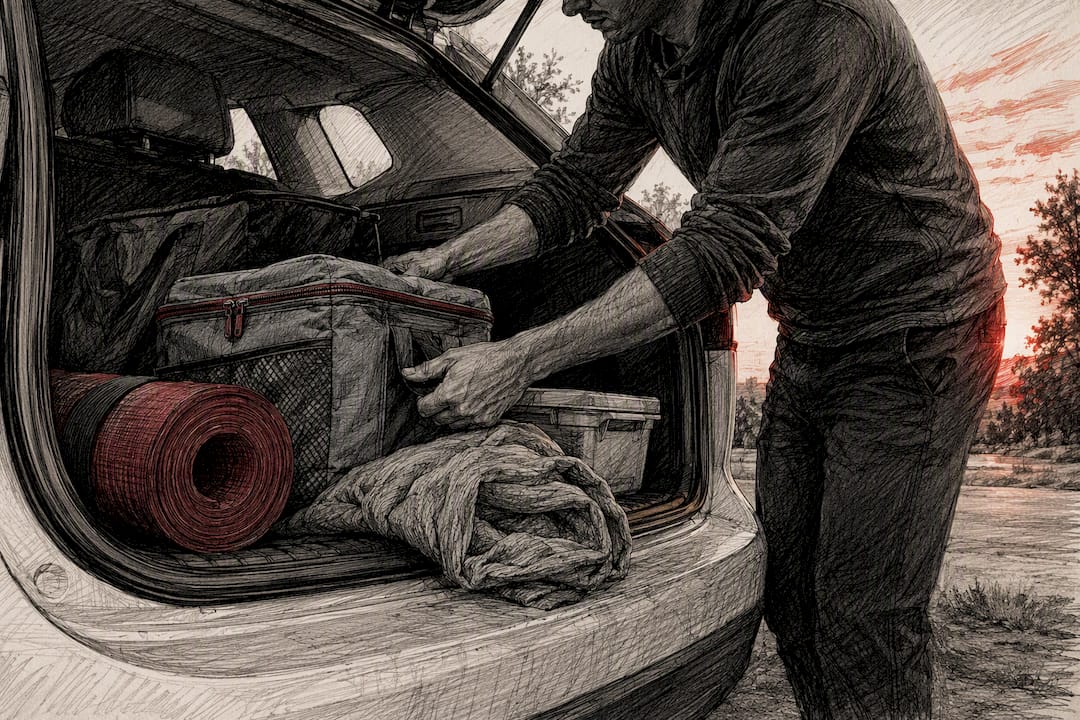
Pro Tip: Dry every surface completely before closing the doors. Cracked windows and a few hours of airflow prevent the mold growth that turns a “clean” car into a musty one within days. For food or pet messes on fabric seats, a deep upholstery clean once or twice a year keeps recurring odors from building up.
What Neutralizes Car Odors Without Just Masking Them?
Household absorbers work because they pull odor molecules out of the air and fabric instead of covering them up. Three options handle most everyday cases:
- Baking soda: sprinkle on dry carpet or seat fabric, let it sit for several hours, then vacuum it up.
- Activated charcoal: place an open container or charcoal bag in the footwell or trunk for continuous absorption over days or weeks.
- Open-box odor absorbers: slower acting but useful for ongoing musty smells in enclosed compartments like glove boxes.
For organic messes, urine, vomit, or old food, an enzyme cleaner does more work than any absorber. Enzymes break down the proteins causing the smell rather than just trapping them, which is why they outperform standard sprays on pet and food stains. Removing the contaminated material first, then treating what’s left with enzymes, produces the most lasting results.
One safety note worth repeating: never apply baking soda or charcoal powder to damp upholstery. On wet surfaces, baking soda forms a paste that’s difficult to remove and can trap moisture underneath, raising the risk of mold in the seat padding. Let everything dry first. And skip oily “odor-eliminator” sprays directly in the vents. They leave residue that clogs the fan and can smell worse once it heats up.
Pro Tip: Give absorbers at least six to eight hours of dwell time before vacuuming them up. A quick five-minute sprinkle rarely pulls out a stubborn smell.
Which Type of Car Air Freshener Actually Works Best?
Car air fresheners split into two camps: passive and active. Passive products, hanging cards, vent clips, wraps, sit still and emit scent continuously. Active products, cartridge diffusers and plug-ins, let you control intensity and often run longer because you’re not burning through fragrance nonstop.
Here’s how the common formats stack up:
- Hanging cards: cheap and simple, but scent fades unevenly and fast.
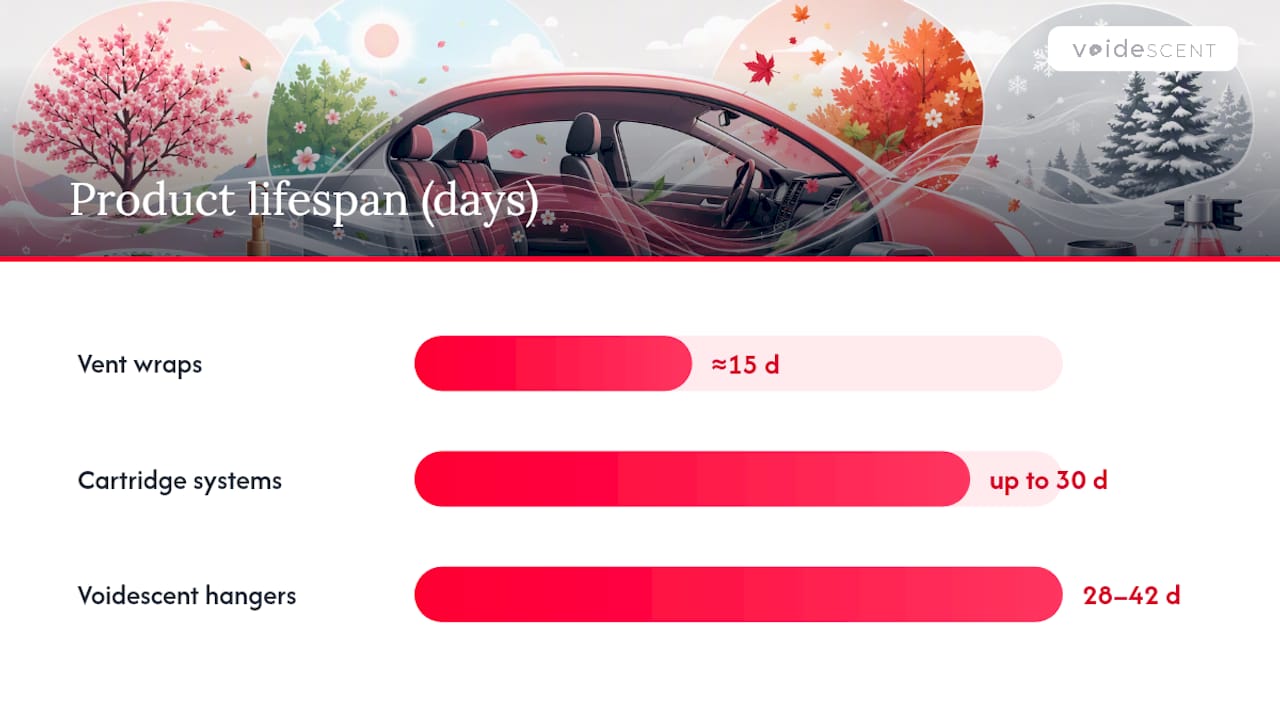
- Vent clips and wraps: disperse scent whenever the HVAC runs, though testing found typical wraps last around 15 days before fading out.
- Cartridge diffusers: can last up to 30 days depending on how much you run the fan, and they give more control over intensity.
- Plug-ins: convenient and adjustable, but they draw on the car’s power and need a working outlet.
- Sprays: instant fix, zero lasting power, best treated as a touch-up rather than a solution.
If you’re sensitive to strong fragrance or drive with kids or pets, an adjustable diffuser beats a passive hanger every time. If you want something you never think about, a slow-release hanger wins on convenience. Either way, air fresheners work best between deep cleans, not as a replacement for one.
Pro Tip: Place vent clips near the passenger-side air intake, not directly on the driver’s vent, so scent circulates through the cabin instead of hitting one person’s face every time the fan kicks on.
How Do You Choose a Long-Lasting Car Scent?
A good long-lasting scent comes down to four things: how long it actually lasts, whether you can control the intensity, how it holds up around allergies, and whether the materials are safe for a closed cabin over weeks at a time.
This is where Voidescent’s slow-release hangers earn their spot. Heavens, Descent, and Nebula each use botanical fragrance oils designed for a consistent, evolving scent that runs four to six weeks per hanger, longer than most vent wraps and well past what a spray or dashboard wipe offers. For anyone who wants a car that smells intentional rather than “air-freshener generic,” that’s the practical advantage.
- Match scent strength to car size: smaller cabins need a lighter formulation than SUVs or vans.
- If passengers are sensitive to fragrance, start with the lightest option and adjust from there.
- Rotate scents every few months so your nose doesn’t stop noticing it.
Pro Tip: Hang the fragrance near an air vent rather than the mirror. It moves scent through the cabin faster and prevents one corner of the car from smelling stronger than the rest. Explore the full lineup on the scent comparison page to find the profile that fits your car.
What Daily Habits Keep a Car Smelling Fresh Long-Term?
Small habits do more long-term work than any product. Keep a small trash bag or bin clipped to the console, and empty it every time you get out. Wipe up spills the moment they happen instead of letting them soak into the seat fabric. Crack the windows for a few minutes on your commute whenever weather allows.
Weekly, run a quick vacuum, wipe the dashboard, and check cup holders and door pockets for anything you forgot about. Monthly, pull the floor mats for a proper clean, inspect the cabin air filter, and shampoo carpets or upholstery if you have pets or eat in the car often.
- Daily: trash out, spills wiped, windows cracked when possible.
- Weekly: quick vacuum, dashboard wipe, check hidden storage.
- Monthly: mats cleaned, filter checked, deep clean if needed.
Pro Tip: Keep this three-tier checklist on your phone. Habits stick better when you can glance at them instead of trying to remember the whole routine. If kids ride along often, snack management matters just as much as cleaning, and keeping them entertained without constant snacking cuts down on crumbs before they become a problem.
When Should You Call in a Professional for Car Odor Removal?
DIY methods hit their limit with certain smells. Call in a professional valet or odor specialist if you’re dealing with:
- Persistent cigarette or smoke odor that lingers after multiple cleanings.
- Contamination from blood, urine, or vomit that soaked into padding.
- A musty or mold smell following water damage or a leak.
- Any smell that keeps returning within days of a DIY clean.
Professional options include full interior valeting, steam cleaning, and upholstery shampooing. Ozone treatments can strip out stubborn smoke odor, but they carry real risks to certain materials and should only be run by a trained technician, never a DIY ozone generator in a closed garage. Before booking, ask what method they use, how long drying takes, and whether the work carries any guarantee.
What Do Product Tests Reveal About Air Freshener Durability?
Real-world testing backs up what most drivers suspect: passive products fade faster than active ones. Vent wraps averaged around 15 days before losing noticeable scent, while cartridge-based systems stretched closer to 30 days depending on how often the HVAC ran. Fan speed and how often you drive with windows down both shorten that window.
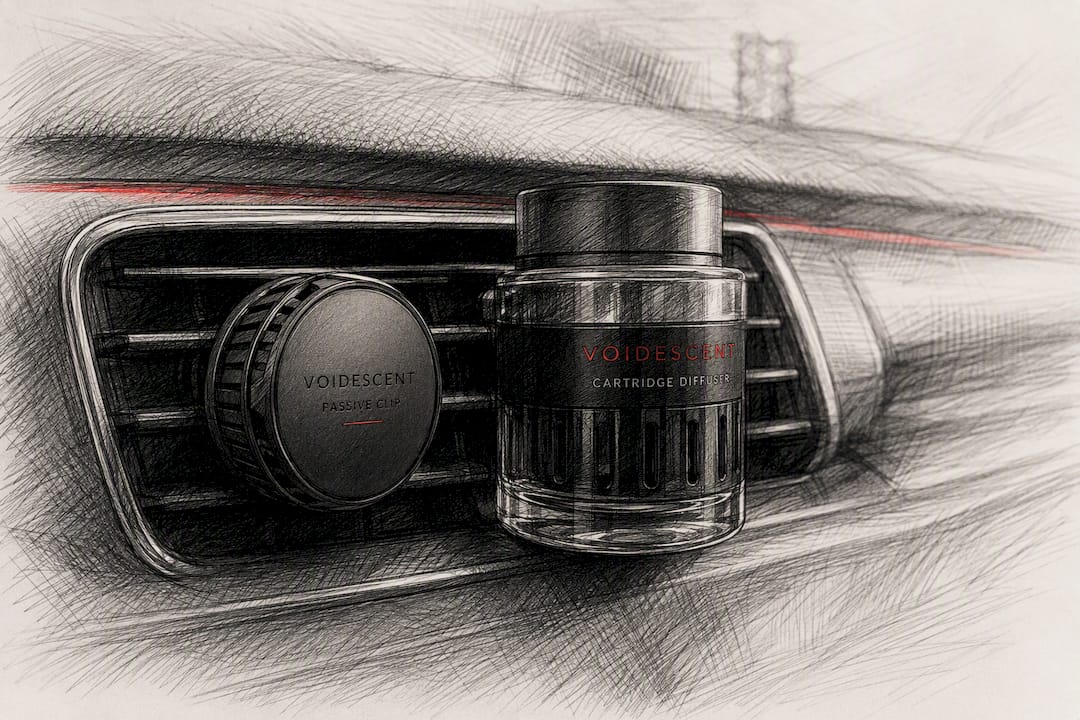
Products with adjustable intensity settings consistently gave testers more control and a longer usable life than single-use passive cards, since you can dial back the scent instead of letting it burn out on full strength constantly.
The combination that actually works: neutralize first, then add fragrance. Pair an absorber like charcoal or baking soda with a slow-release scent product. The absorber clears out what’s already there; the fragrance handles what comes next.
Pro Tip: Don’t run charcoal and a strong hanging scent in the same tight space. Charcoal can absorb some of the fragrance along with the odor, cutting into both products’ lifespan.
What Actually Works for Long-Term Freshness?
The single most reliable way to keep a car smelling fresh is removing the source first, then layering neutralizers and a slow-release scent on top of a clean interior, not the other way around.
| Point | Details |
|---|---|
| Source removal comes first | Trash, spills, and contaminated fabric must go before any product will hold a scent. |
| Vent cleaning matters more than people think | Dust and debris in vents recirculate odor every time the fan runs. |
| Passive products fade fastest | Vent wraps last around 15 days versus up to 30 days for some cartridge systems. |
| Neutralize before you fragrance | Baking soda or charcoal clear existing odor so a scent product isn’t fighting it. |
| Voidescent covers the long stretch | Heavens, Descent, and Nebula run four to six weeks per hanger, filling the gap between deep cleans. |
Why Most Car Odor Advice Gets the Order Wrong
Most guides treat air fresheners as the fix. They’re not. They’re the last five percent of a job that’s mostly cleaning and patience. The internet’s obsession with “best car scent” rankings skips over the boring truth: a $6 spray in a dirty car is a wasted $6.
What gets underestimated is how much vent buildup contributes to lingering smells. Drivers deep-clean their seats and mats, then wonder why the car still smells faintly off. It’s often the HVAC system quietly recirculating dust and old odor particles nobody thinks to check.
What should come first, always, is the boring stuff: trash out, vacuum, dry everything properly. Only after that does a slow-release scent make sense, because at that point it’s adding something pleasant to a clean baseline instead of covering up a problem that’s still sitting there. That’s the real gap between what most odor-removal content promises and what actually holds up over weeks, not days.
Get Long-Lasting Freshness Without the Guesswork
Baking soda handles the immediate smell. Vent clips typically fade out within a few weeks. Voidescent fills the gap most car owners are missing: a scent that actually holds for four to six weeks instead of fading by the second week of driving. Each hanger uses botanical fragrance oils in a slow-release formula, built for drivers who want their car to smell intentional, not like a gas-station impulse buy.
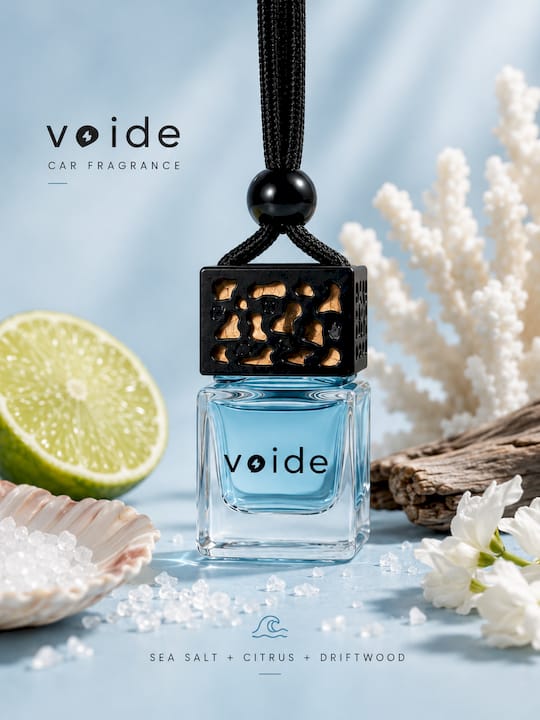
If you’ve just finished a deep clean and want something that won’t quit on you in ten days, browse Heavens, Descent, and Nebula to find the profile that fits your car. Every order comes backed by a money-back guarantee, so picking a scent isn’t a gamble.
FAQ: Keeping Your Car Smelling Fresh
How often should I deep-clean my car to keep it smelling fresh? Every one to three months for most drivers, more often if you regularly eat, smoke, or transport pets in the car.
Do air fresheners actually remove odors or just cover them up? Most mask rather than remove. Neutralizing the source with an absorber or enzyme cleaner first, then adding fragrance, produces results that actually last.
How long do car air fresheners typically last? Vent wraps last around 15 days on average, cartridge diffusers up to 30 days, and slow-release hangers like Voidescent’s run four to six weeks.
Can baking soda damage my car’s interior? Only if applied to damp surfaces, where it forms a paste that traps moisture and encourages mold. Always use it on dry fabric.
When is a smell bad enough to need a professional? If smoke odor, mold, or contamination from bodily fluids doesn’t clear after a thorough DIY clean, a professional valet or specialist treatment is worth the cost.
Sources
- The 5 Best Car Air Fresheners, Tested by BHG
- Which Type of Car Air Freshener You Should Buy | Car and Driver
- How To Get a New Car Smell | Chemical Guys
- Cleaning car upholstery naturally - tips | Vileda