

How Long Car Air Fresheners Last: Every Type Explained
Most car air fresheners last for several weeks in real-world driving conditions, though that range stretches considerably depending on the format. The culprit behind early fade is evaporation: heat and airflow pull fragrance molecules off the carrier faster than any manufacturer’s lab test replicates. Real-world peak potency typically runs for a few weeks, even when the packaging promises 60.
- Short end: Paper and cardboard hanging fresheners, a few weeks
- Long end: Electric oil diffusers and gel systems, several weeks to a few months
Key Takeaways
Across all common formats, most car air fresheners last between two and six weeks in real-world conditions, with heat, airflow, and placement being the primary variables drivers can actually control.
| Point | Details |
|---|---|
| Lifespan varies widely by type | Paper cards last 1–2 weeks; electric diffusers can last 2–6 months per refill. |
| Heat is the main enemy | Direct sun and high cabin temperatures can significantly reduce a freshener’s lifespan through accelerated evaporation. |
| Nose blindness misleads you | Use the closed-car sniff test or ask a passenger before replacing a still-functional freshener. |
| Partial unwrapping extends paper cards | Keeping some wrapper on and peeling gradually can extend a hanging card’s usable life. |
| Voidescent for consistent longevity | Heavens and Descent deliver four to six weeks of slow-release botanical fragrance with a money-back guarantee. |
Table of Contents
- How long does each type of car air freshener last?
- What actually shortens a car air freshener’s lifespan?
- How to tell when your air freshener has actually run out
- Practical ways to make any car air freshener last longer
- Do car air fresheners expire, and are there safety concerns?
- If longevity is the priority: how to choose the right format
- The part most guides get wrong about freshener lifespan
- Voidescent’s long-lasting scent hangers: four to six weeks, guaranteed
- Sources
How long does each type of car air freshener last?
Every delivery format has a different evaporation profile, and that profile determines how long the scent stays useful rather than just technically present.
| Type | Realistic Lifespan | Scent Intensity Curve | Best For |
|---|---|---|---|
| Hanging card/paper | a couple of weeks | Strong burst, rapid fade | Short trips, occasional drivers |
| Vent clip (solid) | a few weeks | Moderate, heat-dependent | Daily commuters |
| Liquid oil clip | several weeks | Steady, adjustable | Commuters, longer drives |
| Gel can/pot | several weeks | Slow and consistent | Set-and-forget use |
| Aerosol spray | Hours per application | Immediate, no residual | Quick refresh only |
| Beads/sachet | 2–4 weeks | Gentle, ambient | Subtle background scent |
| Electric/smart diffuser | several weeks to a few months | Controlled, adjustable | Long-term, set-and-forget |
Hanging cards and paper trees are the most familiar format and the shortest-lived. Paper fresheners deliver a strong scent initially, then drop to near-undetectable levels within a couple of weeks when fully unwrapped from the start. The large exposed surface area means fragrance compounds evaporate quickly, especially in a warm car.
Vent clips sit directly in the airflow path, which is both their strength and their weakness. They typically last 30–60 days under moderate conditions, but heavy HVAC use can cut that substantially. A driver who runs the fan on full blast through a British winter will burn through a vent clip in half the time of someone who cracks a window instead.
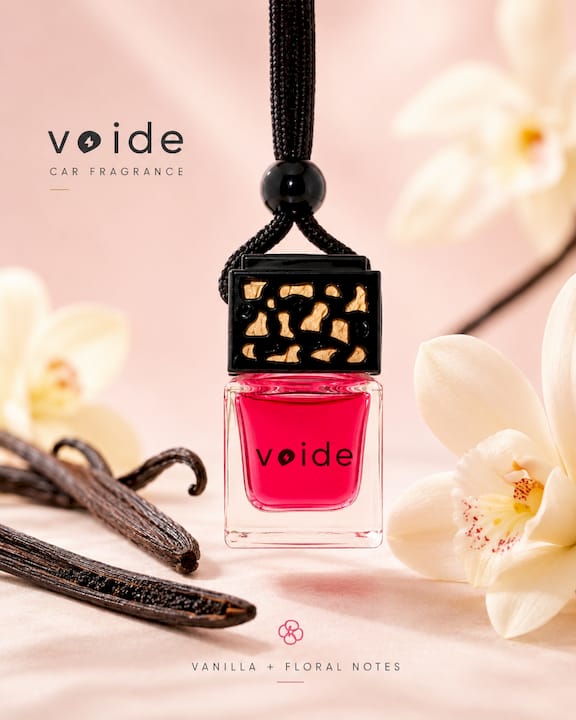
Gel cans and pots release scent passively through surface evaporation, with no forced airflow to accelerate depletion. That makes them one of the more consistent performers, holding a gentle ambient scent for three to six weeks. Tuck one under a seat and it lasts even longer.
Electric and smart oil diffusers are the clear longevity leaders. Refills or cartridges can last from 60 days to several months depending on the device’s output setting. The controlled-release mechanism, whether a membrane, wick, or timed pump, limits how much fragrance escapes at once, which is exactly why these formats outlast exposed-surface carriers by such a wide margin.
Aerosol sprays are a different category entirely. Each application lasts a few hours, not days, so they function as a quick refresh rather than a continuous freshener.
What actually shortens a car air freshener’s lifespan?
The physical mechanism is straightforward: fragrance compounds are volatile organic compounds (VOCs) that evaporate at a rate driven by temperature, airflow, and surface exposure. Change any of those three variables and you change the lifespan.
Temperature and UV exposure are the biggest factors most drivers underestimate. A car parked on a sunny street in summer can reach interior temperatures above 60°C (140°F). At those temperatures, fragrance molecules escape the carrier far faster than at the 21°C (70°F) conditions most manufacturers use for their lab tests. Direct sunlight and high cabin temperatures can significantly reduce a freshener’s lifespan due to accelerated evaporation and UV degradation through accelerated evaporation and UV-driven chemical degradation.
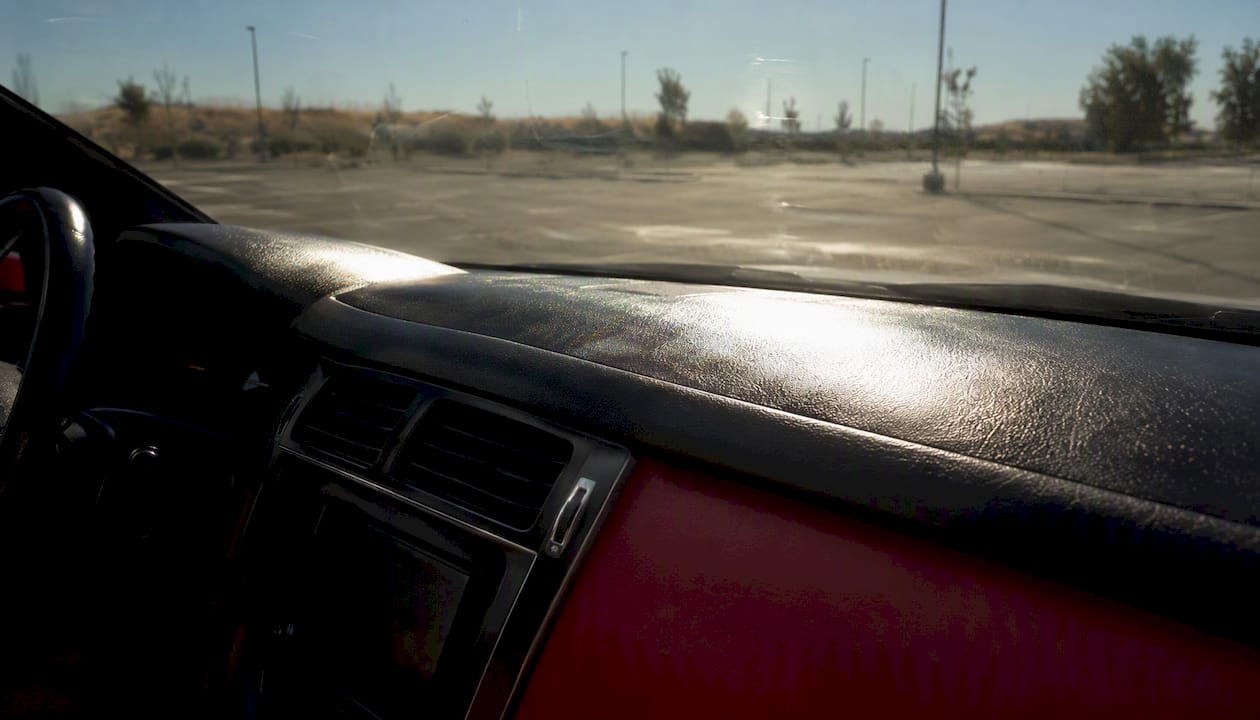
HVAC airflow matters most for vent clips and hanging cards. High fan speeds push more air across the carrier surface, pulling fragrance molecules away faster. A vent clip running on fan speed 4 all day depletes noticeably quicker than one sitting in a car where the driver mostly uses recirculation mode.
Car interior volume plays a quieter role. A large SUV or van dilutes scent across more air, so the freshener has to work harder to fill the cabin. A compact hatchback reaches saturation faster, meaning the same unit lasts longer at a perceptible level.
Humidity is a factor that rarely gets mentioned. High humidity can slow evaporation slightly for some oil-based products, but it can also cause paper carriers to absorb moisture and degrade faster, shortening their structural life.
Packaging and partial unwrapping are entirely within your control. A hanging card left fully unwrapped from day one burns through its fragrance load in days. The same card, kept half-wrapped, meters out scent more slowly.
Pro Tip: Place gel fresheners under the front seat rather than on the dashboard. Under-seat placement keeps them away from direct sun and the forced airflow of the HVAC system, which can extend usable life by a week or more compared with dashboard placement.
How to tell when your air freshener has actually run out
The trickiest part of managing car air freshener duration is that your nose lies to you. Olfactory fatigue, commonly called nose blindness, sets in after roughly 20 minutes of continuous exposure to the same scent. You stop registering it, even when it’s still present. This frequently leads drivers to replace a still-functional freshener simply because they can no longer smell it from the driver’s seat.
A 30-second sniff test:
- Leave the car parked and closed for at least 30 minutes.
- Step outside, take a few breaths of fresh air, and clear your palate.
- Open the door and immediately smell the air near the freshener.
- If you detect scent, it’s still working. If nothing registers within two seconds of opening the door, it’s likely spent.
Objective checks beyond the sniff test:
- Gel level: A gel pot that’s visibly shrunk to less than a quarter of its original volume is near the end.
- Oil color: Liquid oil clips often go pale or clear as the fragrance oil depletes. A nearly colorless reservoir usually means nearly no scent.
- Time-in-use: Cross-reference how long the unit has been in the car against the realistic lifespan for its type. A hanging card at day 18 is almost certainly done regardless of what your nose tells you.
- Passenger test: Ask someone who hasn’t been in your car recently to take a sniff. Fresh noses are far more reliable than yours after weeks of daily exposure.
Practical ways to make any car air freshener last longer
The good news: most of the factors that shorten a car air freshener’s lifespan are ones you can actually control. Simple behavioral fixes like shade, partial unwrapping, and lower fan speeds are often more effective than buying a more expensive product for the same incremental gain.
Placement matters more than most people realize. Keep hanging cards away from the dashboard and direct sun. Vent clips work best on a vent that isn’t running at full blast constantly. For gels and sachets, under-seat or boot placement reduces thermal exposure significantly.
Partial unwrapping for cardboard types. Leave the bottom third of the wrapper on a hanging card and peel it back gradually over the first week. This simple habit alone can extend usable life from 7 days to closer to 14.
Manage your fan speed. Running the AC or heater on high constantly while a vent clip is attached accelerates depletion. Drop the fan to medium when you don’t need maximum airflow, and the clip lasts noticeably longer.
Rotate scents. If you run two different fresheners alternately, your nose resets between uses. You’ll perceive each scent as stronger for longer, which means you replace them less often.
Store spares correctly. Unopened fresheners should stay in a cool, dry place, away from the car’s glove box, which heats up dramatically in summer. A sealed bag in a cool cupboard at home preserves the fragrance load until you need it.
Pro Tip: Use a reflective windshield sunshade when parked. Interior temperatures in a shaded car can be 15–20°C lower than in an unshaded one. That temperature difference directly translates to slower evaporation and a longer-lasting freshener, regardless of type.
Do car air fresheners expire, and are there safety concerns?
There are two distinct concepts worth separating: in-use depletion (the freshener runs out of fragrance while you’re using it) and manufacturing shelf life (an unopened product degrading before you ever use it).
For most hanging cards and gel pots, shelf life is rarely the issue. Kept sealed in a cool, dry place, they typically remain usable for one to two years. Aerosol sprays are a different matter: their shelf life depends heavily on packaging integrity and storage conditions. A punctured or heat-damaged aerosol can degrade faster, and in extreme cases the propellant can compromise the can’s structural integrity. Always check the packaging for a date code or best-before indication, and follow the manufacturer’s storage guidance.
On safety and allergens: Fragranced consumer products, including car air fresheners, release VOCs into the enclosed cabin environment. Public-health research documented in CDC repositories catalogs potential exposures from fragranced products. For drivers with asthma, chemical sensitivities, or young children as regular passengers, concentrated essential-oil products and synthetic fragrance blends warrant extra caution. Opt for products with transparent ingredient lists, keep windows cracked when a new freshener is at peak intensity, and avoid placing oil refills near heat sources, as some fragrance oils are flammable.
For sensitive noses, the Voidescent scents page lists ingredient profiles and fragrance families, which makes it easier to avoid known irritants before buying.
If longevity is the priority: how to choose the right format
When car air freshener duration is the deciding factor, the format you choose matters more than the brand. Here’s how the main categories stack up against the criteria that actually matter for long-term value:
- Run-time per refill: Electric diffusers and oil clips win outright. Gel systems are a close second for passive use.
- Intensity control: Electric diffusers let you dial output up or down. Paper cards give you no control once unwrapped.
- Power requirements: Electric diffusers need a 12V socket or USB port. Every other format is passive.
- Refill cost: Oil clips and electric diffusers have ongoing refill costs; paper cards are cheap but frequent.
- Cabin compatibility: Large vehicles benefit from higher-output formats. A compact car can get by with a gel or sachet.
For drivers who want both longevity and a scent that evolves rather than blasts, slow-release scent hangers with botanical fragrance oils sit in a practical middle ground: no power source needed, controlled surface area, and a fragrance load designed to last four to six weeks rather than days.
Voidescent’s Heavens and Descent are built around exactly that brief. Both use a slow-release hanger format with botanical oils, designed to deliver a consistent, evolving scent across four to six weeks without the sharp-then-nothing intensity curve of a standard paper card. For a daily commuter who wants to set it and forget it, either option fits the criteria above without requiring a power socket or a refill schedule.
What to look for at point of purchase:
- A stated lifespan of four weeks or more under normal conditions
- Botanical or natural fragrance oil ingredients rather than synthetic fragrance blocks
- A controlled-release mechanism (membrane, partial wrapper, or wick) rather than full open-air exposure
- Transparent ingredient disclosure for allergen awareness
- A money-back or satisfaction guarantee as a signal of manufacturer confidence
The part most guides get wrong about freshener lifespan
Most advice on this topic treats lifespan as a fixed product spec. It isn’t. The same hanging card that lasts two weeks in a cool, shaded garage will be gone in five days in a sun-baked car park in July. The number on the packaging is a lab figure, not a driving figure.
What actually determines how long your freshener lasts is the combination of format, placement, and driving habits. A driver who parks in the shade, runs the fan on medium, and leaves the bottom wrapper on a hanging card will consistently get more life from a cheap paper tree than someone with an expensive vent clip who blasts the AC on full every morning.
The other thing guides understate is nose blindness. Most drivers replace fresheners too early, not too late. The passenger test and the closed-car sniff test are genuinely useful tools, and using them before you replace will save you money over a year of driving.
Where Voidescent’s slow-release design earns its place is in removing most of those variables. A botanical oil hanger that meters fragrance through a controlled surface doesn’t spike and crash the way a paper card does, and it doesn’t depend on your HVAC being on to work. That consistency is what makes the four-to-six-week claim realistic rather than aspirational.
Voidescent’s long-lasting scent hangers: four to six weeks, guaranteed
The fastest way to stop thinking about freshener lifespan is to choose a format that actually delivers on its timeline. Voidescent’s Heavens and Descent are slow-release botanical scent hangers engineered for four to six weeks of consistent fragrance, with no power socket, no refill schedule, and no synthetic fragrance spike on day one.

Both products use eco-friendly botanical oils and a minimalist hanger design that controls evaporation rate rather than dumping fragrance all at once. The result is a scent that evolves across the full lifespan rather than peaking in the first 48 hours and fading to nothing. Voidescent backs every order with a money-back guarantee, so if the lifespan doesn’t hold up in your car, you’re covered. Browse Heavens and Descent at Voidescent and see which fragrance profile fits your cabin.
Sources
- Engineerskill
- How Often You Need To Replace Your Car’s Air Freshener Depends On These Factors
- How Long Do Car Air Fresheners Last Every Type Explained - CarXplorer
- Does spray air freshener expire - Liangxuan Aerosols
- CDC Stacks repository entry